Cassia & Myrrh, Kay Clarity, and the Renewal of Catholic Music in a Fragmented Age
There are moments when someone searching for Catholic music online realizes, almost with surprise, that what they have been longing for actually exists. Not novelty. Not trend-driven religious content. But music that is reverent without being distant, beautiful without being sentimental, and deeply Catholic without being narrow.
For many listeners today, that discovery begins with Cassia & Myrrh, the sacred music project founded by Catholic singer and artist Kay Clarity. What begins as a search for Gregorian chant or prayer music often turns into something far more enduring: an encounter with an artist whose work spans both the ancient heart of the Church and the living complexity of modern Catholic life.
This is not an accident. It is the fruit of a vision that understands Catholicism not as a subculture, but as a complete way of seeing the world, one that calls artists not only to preserve tradition, but to live it, develop it, and hand it on with integrity.
If you are looking for Catholic music that feels like a genuine inheritance rather than a product, you are in the right place.
Cassia & Myrrh: Gregorian Chant as Living Prayer
Cassia & Myrrh exists for a single purpose: to serve prayer through sacred music. Its Gregorian chant recordings are not experiments, fusions, or reinterpretations. They are faithful, carefully rendered, and intentionally restrained, allowing the chant itself to speak.
Gregorian chant occupies a unique place in Catholic life. It is not merely music for the Church; it is music shaped by the Church’s prayer, theology, and understanding of the human voice as an instrument ordered toward God. For centuries, it has formed monks, scholars, families, and ordinary believers alike.
The Cassia & Myrrh chant album has become one of the most widely streamed contemporary Gregorian chant recordings in the world, reaching millions of listeners across platforms. Its audience is broad and surprisingly diverse: practicing Catholics, homeschool families, converts, musicians, scholars, and even listeners with no religious background who find themselves drawn to its stillness.
What sets this recording apart is not scale, but intention. The voice is unembellished. The pacing is patient. The sound invites silence rather than filling it. This is music meant to be lived with, during prayer, study, rest, and contemplation.
For those seeking Gregorian chant for prayer, sacred church music, or trustworthy Catholic music resources, Cassia & Myrrh has become a reference point precisely because it does not try to be everything at once. It knows what it is for.
A Female Catholic Singer in Service of Tradition
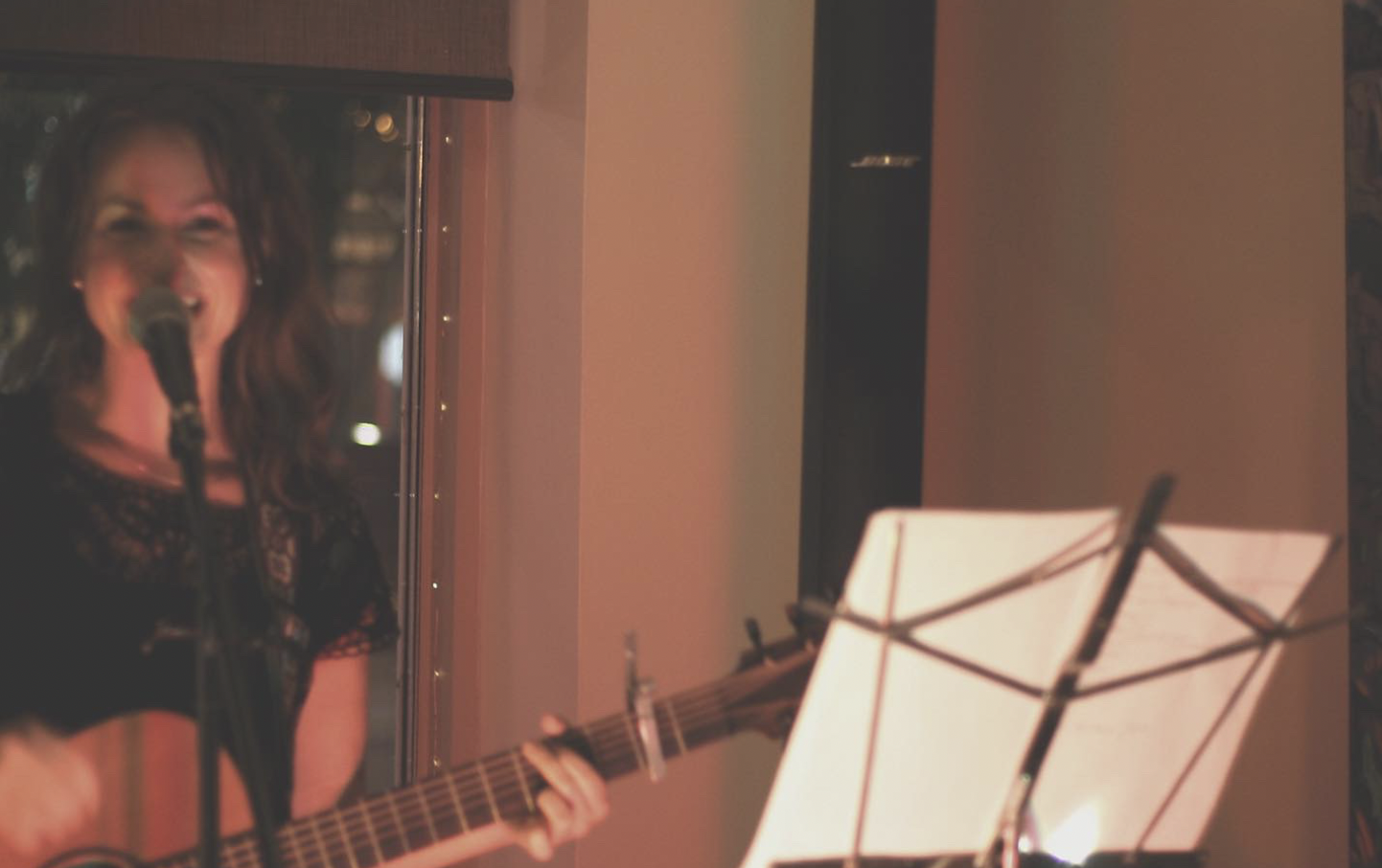
It matters that Cassia & Myrrh is led by a female Catholic singer who approaches chant not as performance, but as stewardship. In a cultural climate that often confuses visibility with significance, Kay Clarity’s work resists that confusion entirely.
Her role within the chant project is not to reinterpret the tradition through personality, but to disappear into it—to let the form, the text, and the prayer take precedence. This discipline is increasingly rare, and it is part of why the project resonates so deeply with listeners who are tired of sacred music that feels rushed, overproduced, or emotionally manipulative.
Cassia & Myrrh is frequently shared among families seeking Catholic music for homeschool education, parishes seeking reliable liturgical listening resources, and individuals looking for free sacred music online that does not compromise reverence for accessibility.
Yet even as the chant project stands firmly on its own, it was never meant to be the entirety of Kay Clarity’s artistic life.
Catholicism Is Meant to Be Lived Whole
One of the most misunderstood aspects of Catholic culture, especially in modern discourse, is the idea that faith should be confined to explicitly religious contexts. In reality, Catholicism has always insisted on something far more demanding: that everything be sanctified.
Work, art, friendship, love, sorrow, humor, memory—all of it belongs within a Christian vision of reality. Sacred music like Gregorian chant forms the soul, but it does not exhaust the vocation of a Catholic artist. It prepares the artist to return to the world with clarity, honesty, and courage.
This is where the Kay Clarity project enters, not as a departure from Cassia & Myrrh, but as its natural continuation.
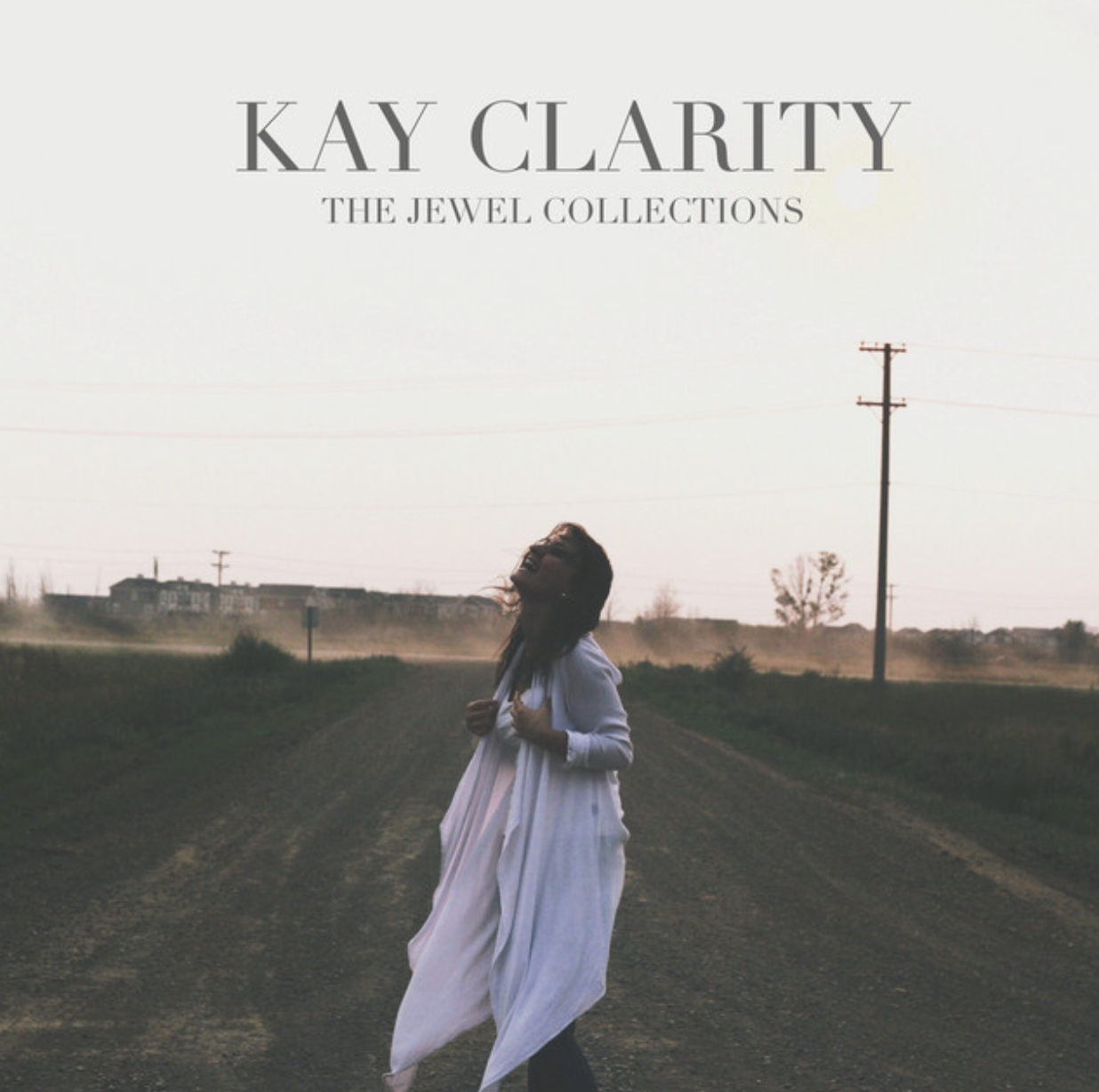
Kay Clarity: Folk Music Rooted in a Catholic Imagination
Kay Clarity’s folk music does not market itself as “Catholic songs” in the narrow sense, and that is precisely why it is so deeply Catholic. These are songs about real human life, about longing, restraint, love, loss, beauty, and the quiet ache of meaning that runs beneath ordinary days.
They are written and sung by an artist whose interior life has been shaped by chant, liturgy, and prayer, even when the lyrics are not explicitly devotional. This is the Catholic sacramental imagination at work, seeing grace not as an interruption of life, but as something moving within it.
For listeners who arrive through Cassia & Myrrh expecting only sacred or liturgical music, discovering the Kay Clarity catalog can be unexpectedly powerful. It challenges the assumption that faith must always announce itself overtly to be authentic. Instead, it demonstrates that Christian artistry often works best when it is honest, disciplined, and deeply human.
In a cultural moment where Catholicism in pop culture is often flattened into caricature, this kind of work quietly expands the conversation. It shows that Catholic artists can speak to the world without abandoning the Church, and can serve the Church without retreating from the world.
Catholic Artists and Cultural Responsibility
Every age receives the culture it is willing to support. For centuries, the Church understood this instinctively. Art was not peripheral to faith, it was one of its primary expressions. Music, architecture, poetry, and painting were treated as serious forms of theological and cultural labor.
Today, Catholic artists face a paradox. The hunger for beauty has never been greater, yet the structures that once sustained serious artistic work are fragile. In this environment, supporting artists who commit to excellence is not simply an act of generosity, it is an act of cultural responsibility.
Kay Clarity’s work, both through Cassia & Myrrh and her folk catalog, stands as an example of what this responsibility can look like, music that refuses cynicism, resists cheap sentimentality, and trusts the listener’s intelligence and depth.
To listen attentively, to stream intentionally, to share work like this with others, these are small but real ways of participating in the renewal of Catholic culture.
From Chant to Song: An Invitation to Go Deeper
Many listeners will always return to Cassia & Myrrh for prayer. That is as it should be. Gregorian chant is not a stepping stone to something else, it is a wellspring that never runs dry.
But for those willing to follow the thread further, Kay Clarity’s broader body of work offers something equally necessary, accompaniment. Songs that can be carried into daily life. Music that does not demand attention, but rewards it.
This movement, from chant to folk song, from chapel to kitchen, from contemplation to action, reflects the rhythm of Catholic life itself. Prayer leads to work. Silence leads to speech. Beauty leads to responsibility.
Why This Matters Now
We are living through a period of profound cultural confusion. Many people are searching for meaning but no longer trust institutions or slogans. In this environment, art often speaks where arguments fail.
Catholic music that is truly rooted in tradition and truly alive to the present moment has the power to remind people, quietly and patiently, that the faith is not exhausted, irrelevant, or small. It is still capable of producing beauty that tells the truth about the human condition.
Cassia & Myrrh and Kay Clarity’s work together offer a rare coherence, sacred music that forms the soul, and contemporary song that honors what that formation demands.
Listen, Explore, and Support the Work
If this music has resonated with you, the next step is simple and meaningful. Visit Kay Clarity’s main website at the button below to explore her full body of work, learn more about both Cassia & Myrrh and her folk recordings, and understand the vision behind the music.
You can also listen to her work under both projects on your preferred streaming platform, beginning with the Gregorian chant recordings that have drawn millions into prayer, and then moving outward into songs that accompany real life with depth and restraint.
Choosing to listen, to stream, and to share this work is more than personal enrichment. It is a way of supporting Catholic artists who are committed to excellence, fidelity, and cultural renewal, and of helping ensure that beauty rooted in faith continues to have a living voice in the world.
This article is part of a broader set of articles at Catholic Song on Catholic music.
© Copyright 2024 Snow Rose Productions. All Rights Reserved.